FIRST® ROBOTICS

WHAT IS COMPETITIVE ROBOTICS?
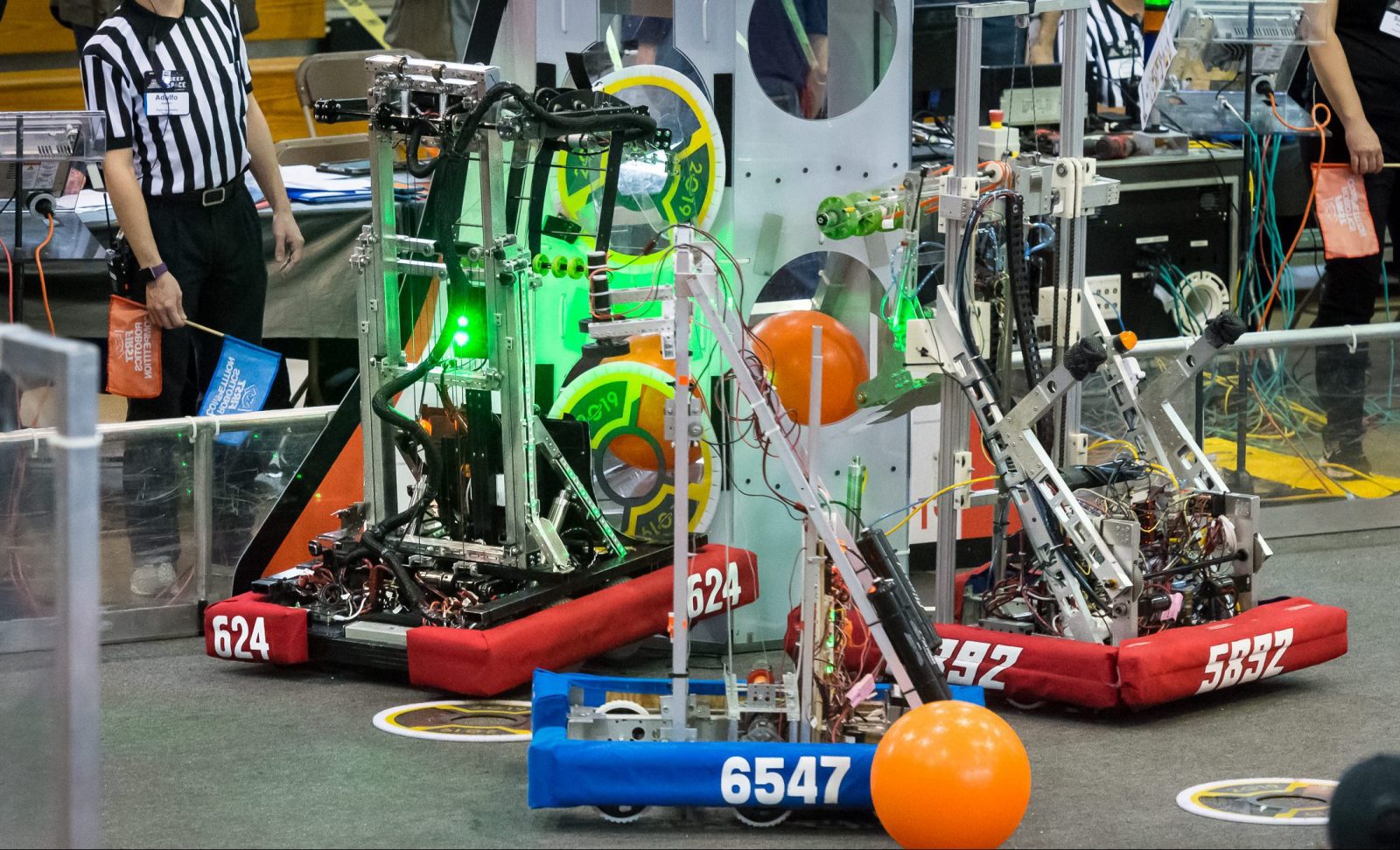
Competitive Robot

FIRST was founded in 1989 by prolific inventor Dean Kamen as he became frustrated with popular culture's obsession over sports and entertainment with little interest in science and technology. He believed that it was necessary to present science and technology in a fun and exciting way. Teaming up with MIT mechanical engineer professor Woodie Flowers, Mr. Kamen launched a program called FIRST.
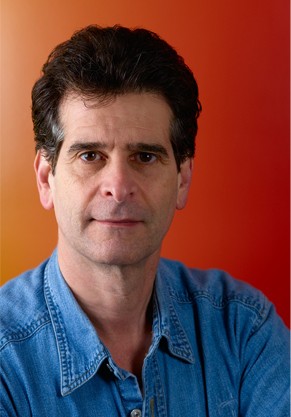
Dean Kamen

Dean Kamen

Woodie Flowers

Woodie Flowers

CRyptonite is part of FIRST® (For Inspiration and Recognition of Science and Technology), an international non-profit organization to transform culture and inspire young people to be technology leaders.

FIRST LEGO LEAGUE

Ages 9-16

FIRST TECH CHALLENGE

Ages 12-18

FIRST ROBOTICS COMPETITION

Ages 14-18
FRC

The FIRST Robotics Competition (FRC) began in 1992 with only 28 teams competing in a New Hampshire high school gym. It paired high school students with professional engineers as mentors to teach them engineering, science, and technology in a fun and engaging way. This idea quickly caught on and spread throughout the country. As it grew, FRC stayed true to its core values of "Gracious Professionalism®" – even though teams fiercely compete, they respect their competitors and support them when it is needed.

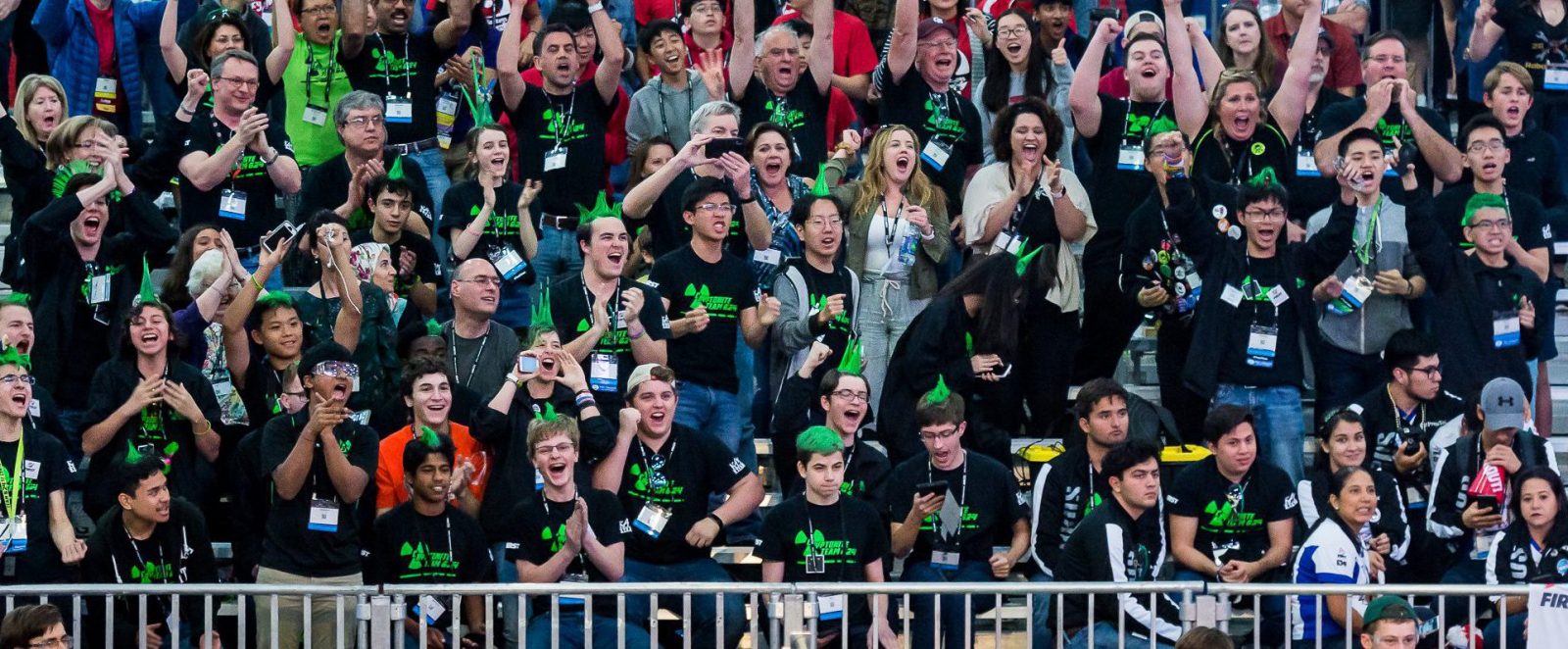
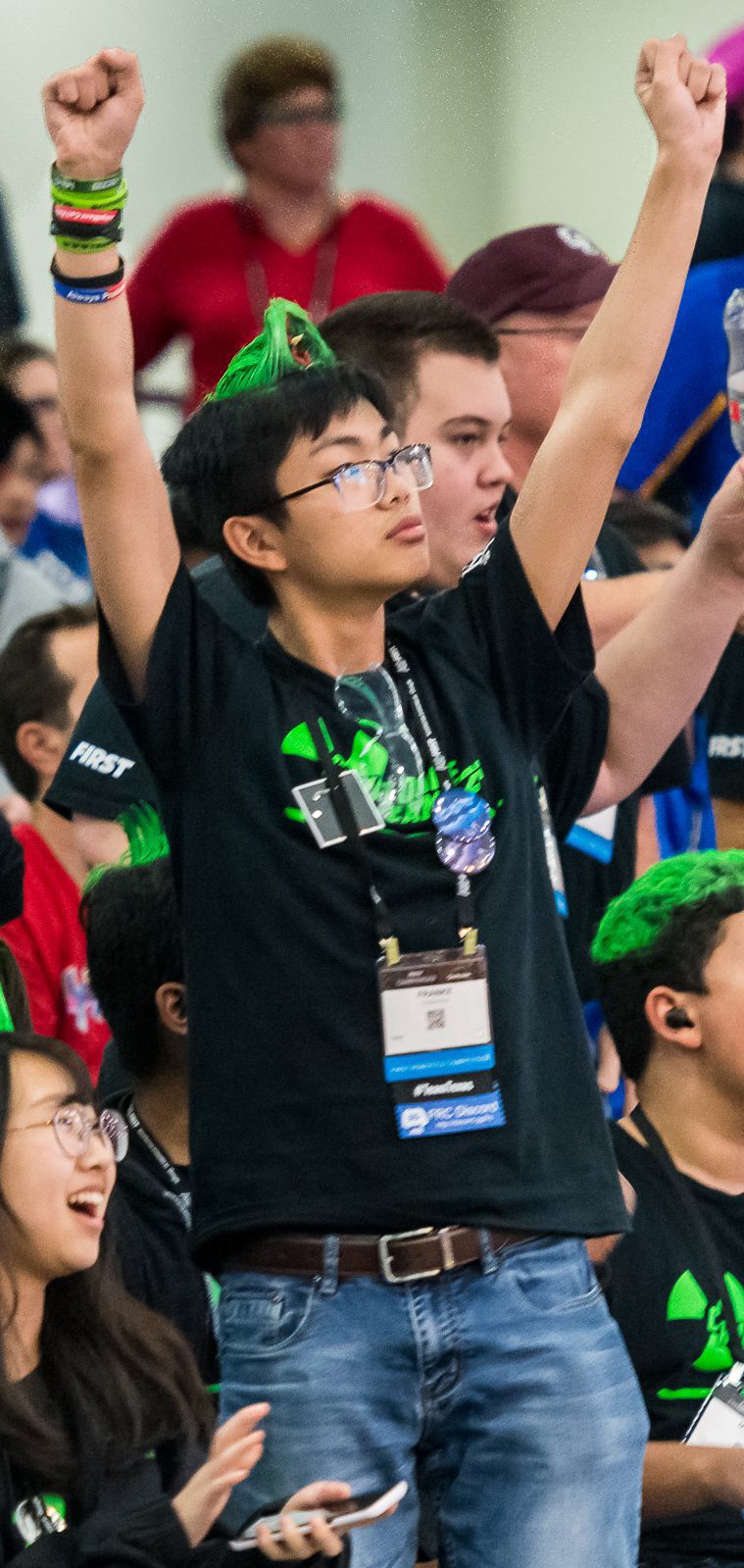
FRC Students Celebrating
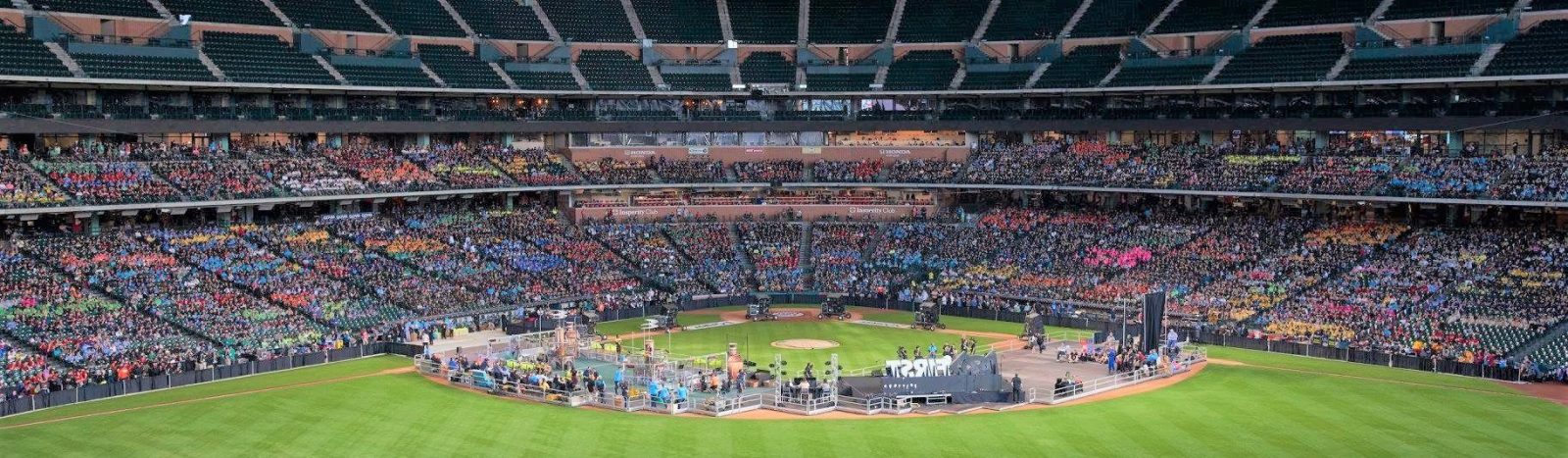
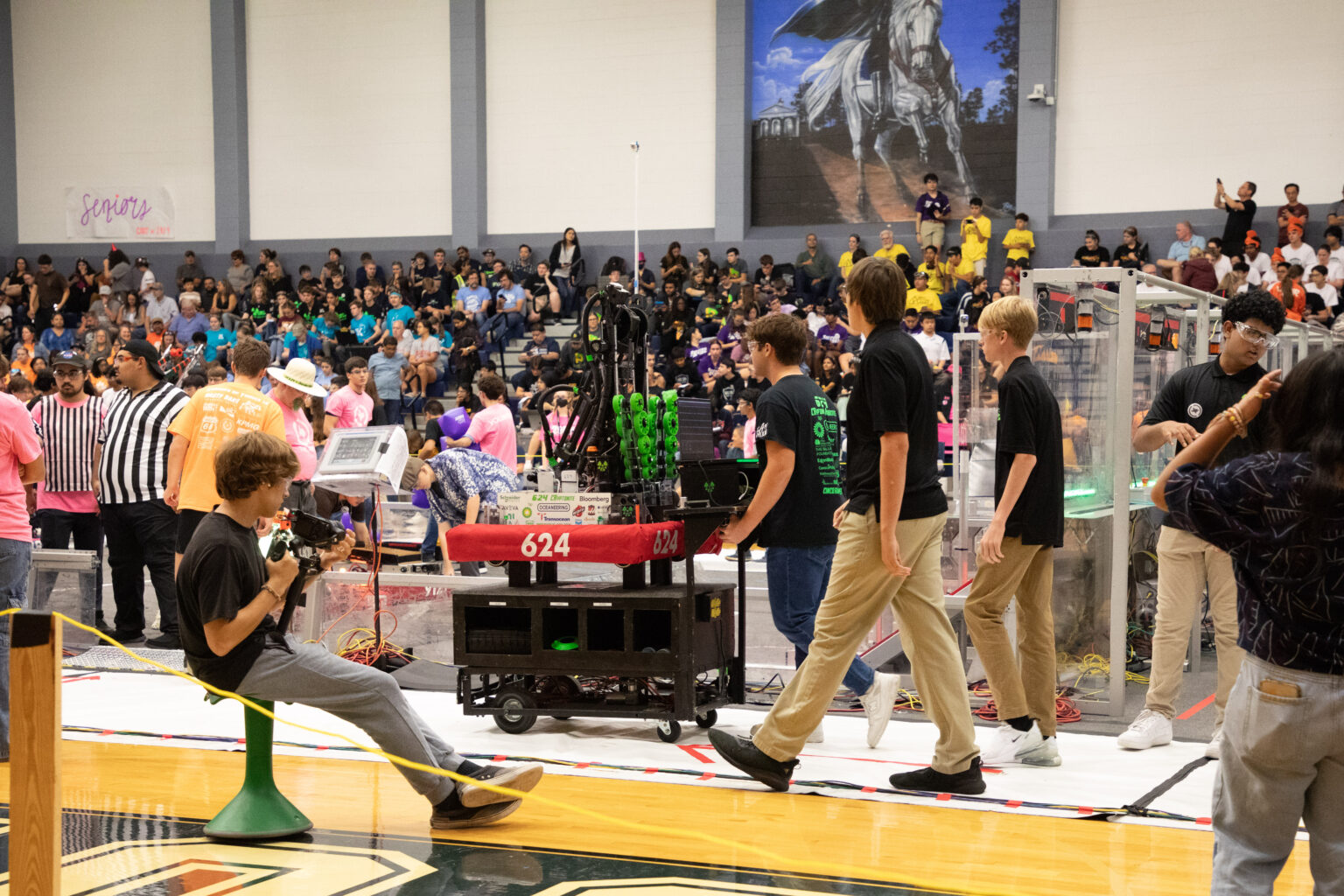
FRC Stadium Competition
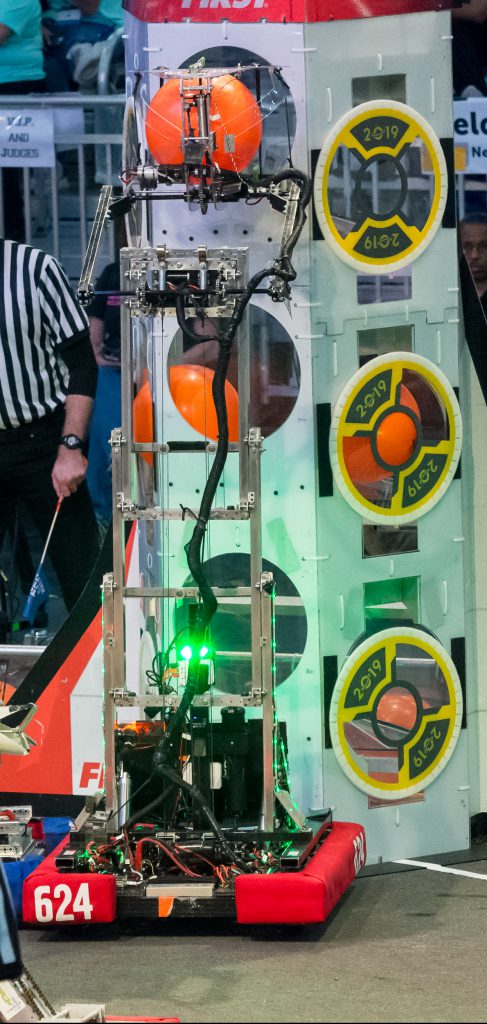
FRC Robot Close-up

Today, there are more than 5,784 FRC teams, and FIRST has grown to encompass numerous programs. The FIRST LEGO® League (FLL) and FIRST LEGO® League Jr. programs give elementary and middle school students the chance to use engineering principles with Lego robots, and the FIRST Tech Challenge (FTC) teaches science and technology to middle school and high school students.

THE SEASONS

Pre Season Activities

Pre Season

Before the official season begins, teams spend time preparing and training. This includes recruiting new members, teaching fundamental skills, and reviewing past seasons to improve strategies. Teams also work on organizational skills, fundraising, and building team culture.

Kickoff

The season officially begins with Kickoff, where the year's game is revealed. Teams receive the game manual, field elements, and kit of parts. This is an exciting day filled with strategy discussions, initial prototyping ideas, and the start of the intense 6-week build period.

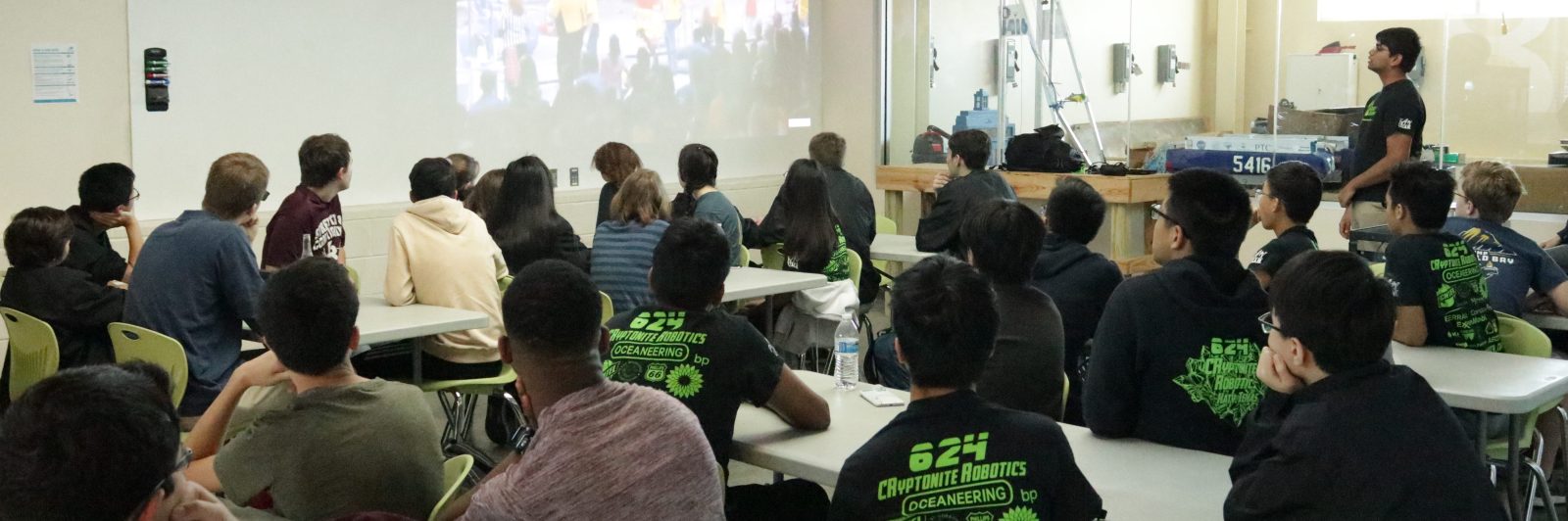
Kickoff Event
Build Season

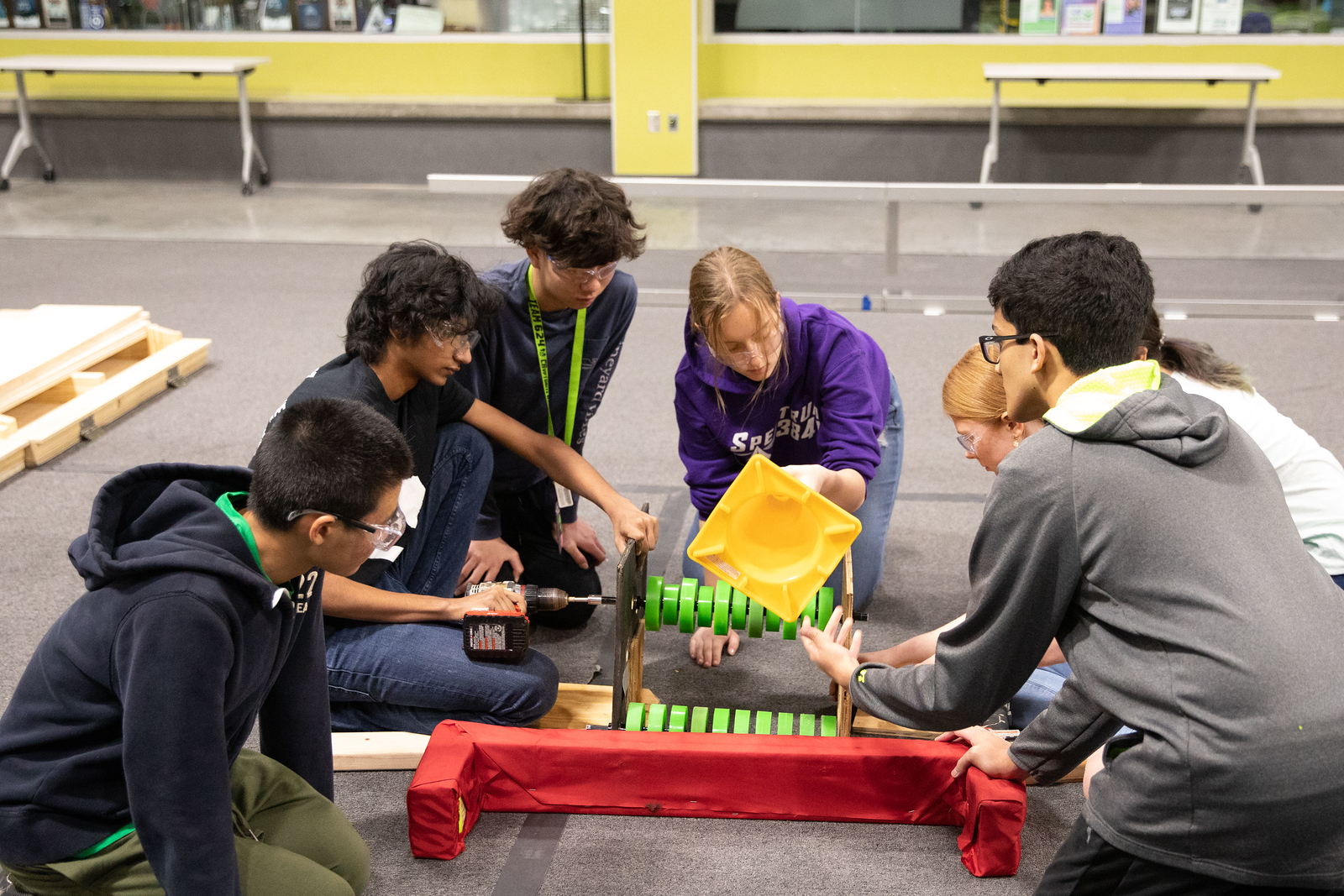
Build Season

The heart of FIRST Robotics - 6 weeks of intense design, prototyping, building, and programming. Teams work together to create a robot that can compete in the year's game. This period teaches time management, engineering principles, and collaborative problem-solving.

Competition

Teams compete in regional and district events, showcasing their robots and demonstrating gracious professionalism. It's not just about winning - teams are judged on their robot performance, community outreach, and how they embody FIRST values.

Competition Season
Off Season Activities

Off Season

After competitions end, teams continue learning through off-season events, community demonstrations, and skill development. This is time for reflection, planning improvements, and sharing knowledge with other teams and the community.

THE COMPETITIONS

Matches

Each FRC match is two and half minutes long. Alliances of three teams each compete on a 54 x 26 foot field completing game objectives. In the past, robots have been required to shoot exercise balls into goals 15 feet off the ground, shoot frisbees into relatively small goals above, and climb free-standing bars with another robot in tow.

Competition Structure

At any FRC competition, teams compete in a set of preliminary matches, where for completing certain game objectives and winning the match, teams collect Ranking Points. At the end of prelims, the team with the most Ranking Points is considered the first seed, and so on. Teams then partake in an "Alliance Selection" process, where based on seeding, teams can invite other teams to create an alliance for the Playoffs, a regular seeded single-elimination bracket.

Involvement

CRyptonite utilizes nearly forty students at each competition. Before the team even competes, students go through a rigorous tryout process to get a spot on the Drive Team and Pit Crew. Following the selection of these roles, further tryouts are held to decide who holds key scouting roles and other key needs. All students attending a competition have already met a high bar for attendance, and each student plays a distinct and crucial role to ensure success.

More than Robots

As any CRyptonite student can attest, FIRST is a truly incredible organization. Find out more about FIRST at www.firstinspires.org

Awards

The FIRST Impact Award is the most prestigious award at FIRST, it honors the team that best represents a model for other teams to emulate and best embodies the mission of FIRST. It was created to keep the central focus of FIRST Robotics Competition on the ultimate goal of transforming the culture in ways that will inspire greater levels of respect and honor for science and technology, as well as encouraging more of today's youth to become science and technology leaders.

The 2020 Safety Animation Award theme is 'Sustainability on the RISE'. This season presents a unique opportunity for us to RISE together to transform world sustainability. Your animation should focus on the theme of sustainability giving consideration to the concepts:

  • sustainable cities and communities
  • responsible consumption and production.

Animations must:

  • Be no more than 40 seconds long, including opening and credits
  • Be animated. Any kind of animation, including stop-motion, is allowed. Live video is allowed provided it is accompanied by virtual/augmented animated elements. Live video of people is not allowed.

Celebrates outstanding success in advancing respect and appreciation for engineering within a team's school or organization and community.

  • Extent and inventiveness of the team's efforts to recruit students to engineering with particular emphasis on the most recent year's efforts. Measurable success of those efforts.
  • Extent and effectiveness of the team's community outreach efforts with particular emphasis on the most recent year's efforts. Measurable success of those efforts.
  • A commitment to science and technology education among the team, school, and community.
  • Achievement of the FIRST mission and ability to communicate that at the competition and aw

  • A team spokesperson must be able to identify and describe the controls innovation and can trace its conception, design, manufacturing/assembly, or deployment.
  • The control system is innovative and unique. It is integrated with the machine, human players, strategy, etc. in concept and execution.
  • The innovation is practical; it addresses the game's challenge. It is not just a cute idea and is reliable under the stress of competition.

Celebrates the team that has demonstrated consistent, reliable, high-performance robot operation during autonomously managed actions. Evaluation is based on the robot's ability to sense its surroundings, position itself or onboard mechanisms appropriately, and execute tasks.

The award is based on the performance of the robot's autonomous (non-operator guided) operations during matches

  • Consistent and reliable operation is weighted more heavily than the ability to score maximum points during any specific autonomously managed actions
  • A team spokesperson must be able to explain:
    • How the robot understands its surroundings, navigates on the field or positions onboard mechanisms and then executes tasks.
    • The factors the teams considered that could interfere with success during autonomously managed actions.
    • The design, development, and testing that was done for the robot's autonomously managed actions.

Celebrates an innovative control system or application of control components – electrical, mechanical or software – to provide unique machine functions.

  • A team spokesperson must be able to identify and describe the controls innovation and can trace its conception, design, manufacturing/assembly, or deployment.
  • The control system is innovative and unique. It is integrated with the machine, human players, strategy, etc. in concept and execution.
  • The innovation is practical; it addresses the game's challenge. It is not just a cute idea and is reliable under the stress of competition.

Celebrates extraordinary enthusiasm and spirit through exceptional partnership and teamwork furthering the objectives of FIRST.

  • Spirit is consistent both throughout the team and also throughout the contest in attitude, appearance, originality, and depth.
  • The team displays obvious enthusiasm – in supporting teams, appearance, interactions with teams/Judges, etc. – at the competition.
  • Spirit is part of the team and is apparent in all they do, including at their school, in their community, with sponsors and other teams, etc.
  • They demonstrate spirit as a unified team.

Criteria for selection of the FIRST Dean's List Award shall include, but not be limited to a student's:

  • Demonstrated leadership and commitment to the FIRST Core Values
  • Effectiveness at increasing awareness of FIRST in the school and community
  • Interest in and passion for a long-term commitment to FIRST
  • Overall individual contribution to their team
  • Technical expertise and passion
  • Entrepreneurship and creativity
  • Ability to motivate and lead fellow team members

Although a single mentor must submit the nomination, the team as a whole must verify the accuracy of the submission. FIRST is relying upon the team for the veracity and accuracy of the submission data.

This award recognizes an individual who has done an outstanding job of motivation through communication while also challenging the students to be clear and succinct in their communications. As such, it is very important that this be a student-led effort and a student decision. One student will act as the nominator. Lead Mentors/Coaches should direct 1 or 2 students to the online entry site and let the high school students decide whom to nominate. Adults can help edit and should check the essay and the submission information for accuracy, but this must be a student-led effort. The author(s) of the 3,000-character (max.) essay must be clearly identified as high school students in the online submission.